
On the Road with Film — Small Moments, Slow Light
Why I Switched My Travels to Film
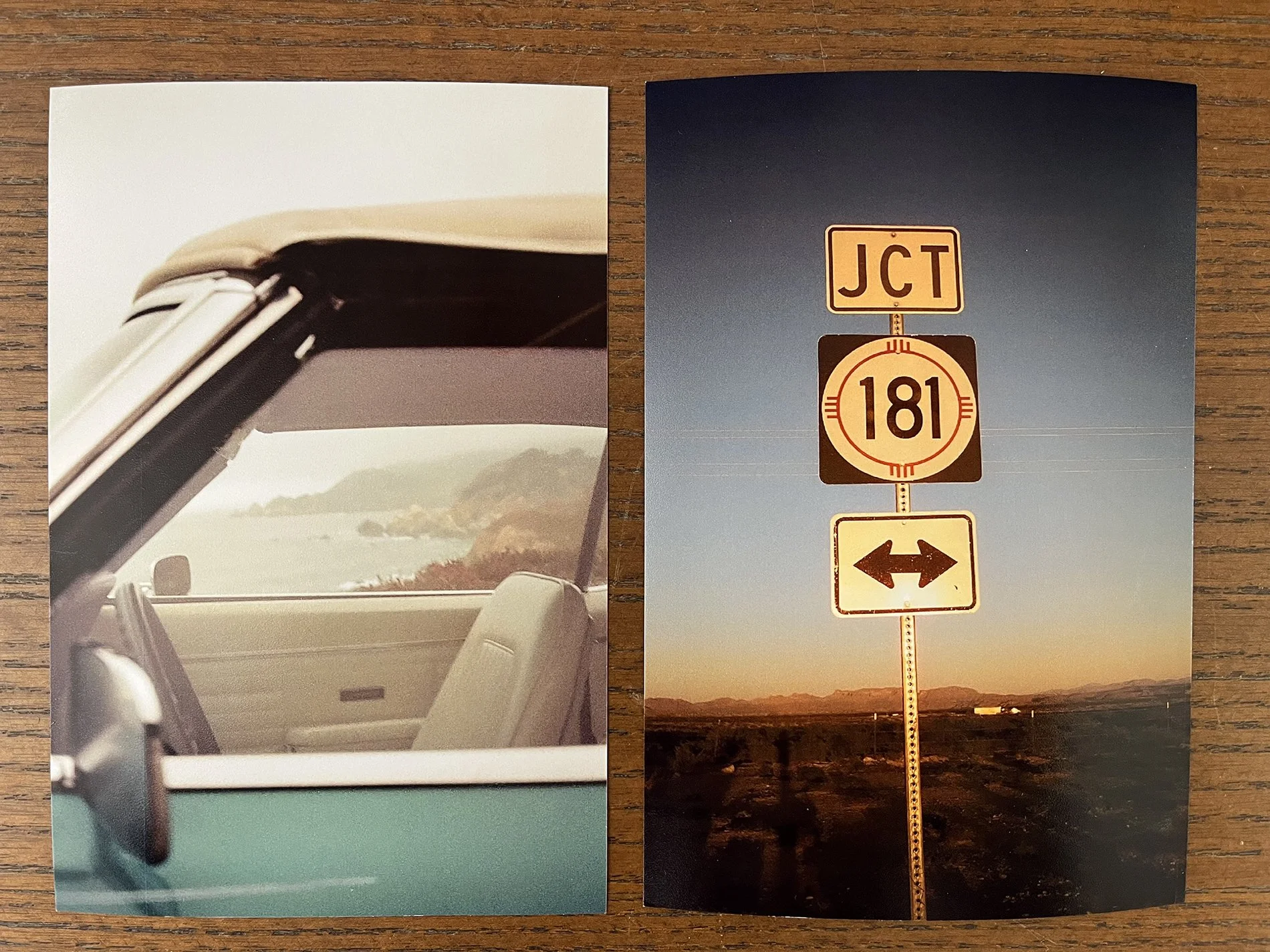
We move by small degrees. A hand on the wheel, the camera resting on top of the road trip mish mash that clutters my passenger side seat. The highway unfurls in a ribbon of dust and light; towns slide past like photographs you almost remember taking. I stop for nothing and everything: a blue lawn chair, a boy holding a fistful of change, a woman who watches the road from a diner window as if memorizing what she won’t keep.
Film lives in my pocket now. I wind, I listen to the click, and the world becomes a series of breaths. At a roadside stop the light falls wrong and then right; someone laughs and the laugh becomes a photograph. Mountains sit like old men at attention, indifferent to our hurry; black and white renders them patient, carved in contrast and weather. Night signs hum with a tired neon that promises safety and forgetfulness in the same pulse.
There’s a particular pleasure in winding a roll forward, listening to the click, knowing every frame matters. Film is all I shoot for my personal stuff. I choose tools that invite restraint. The type that slows you down. One reliable 35mm rangefinder, a 50mm, a light travel tripod, extra rolls. When not shooting weddings, I enjoy getting to the basics of what I’ve always enjoyed shooting. Desolate places and rogue characters :)
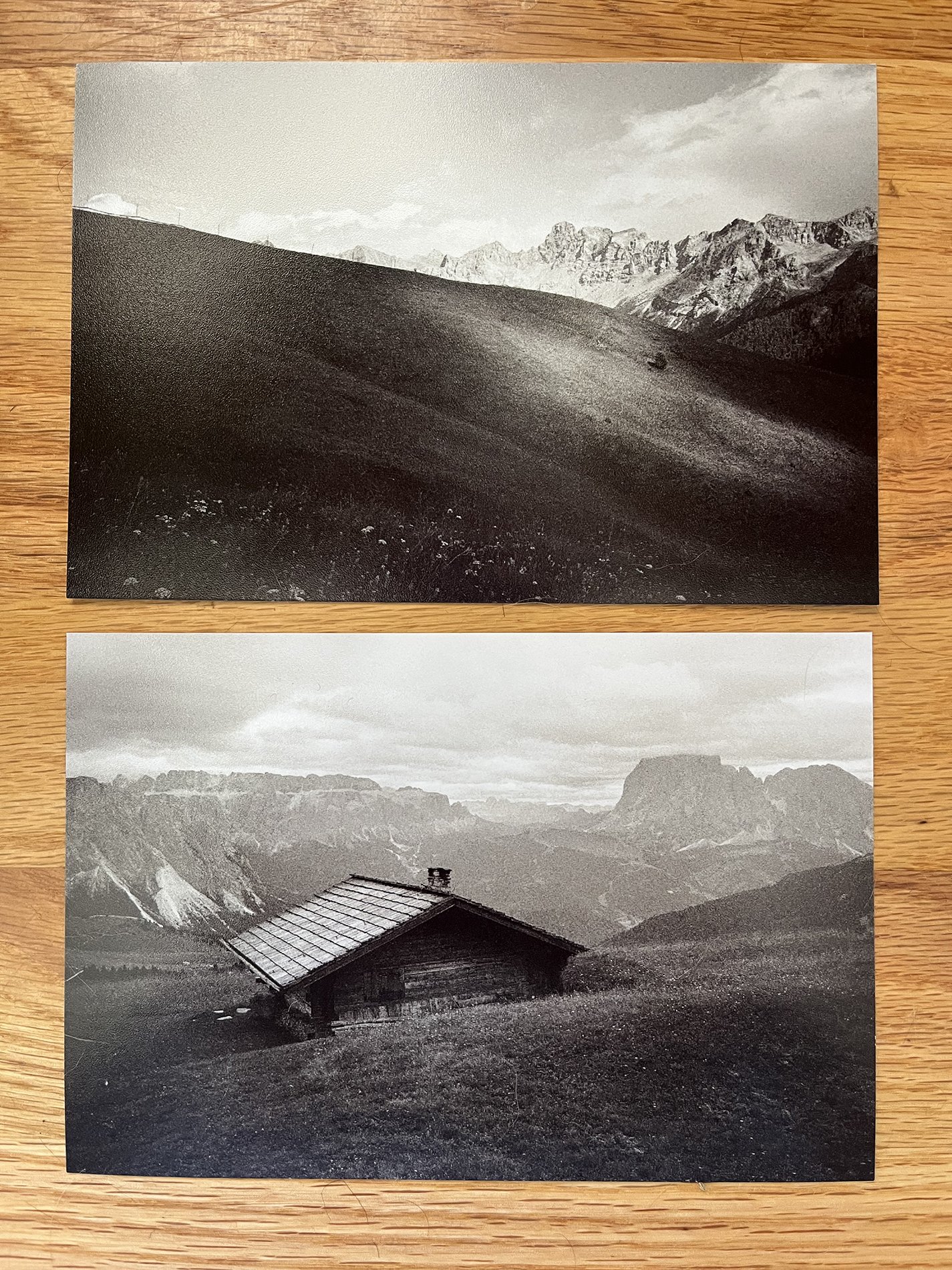
Mountains in Monochrome — Why Black & White Feels Right
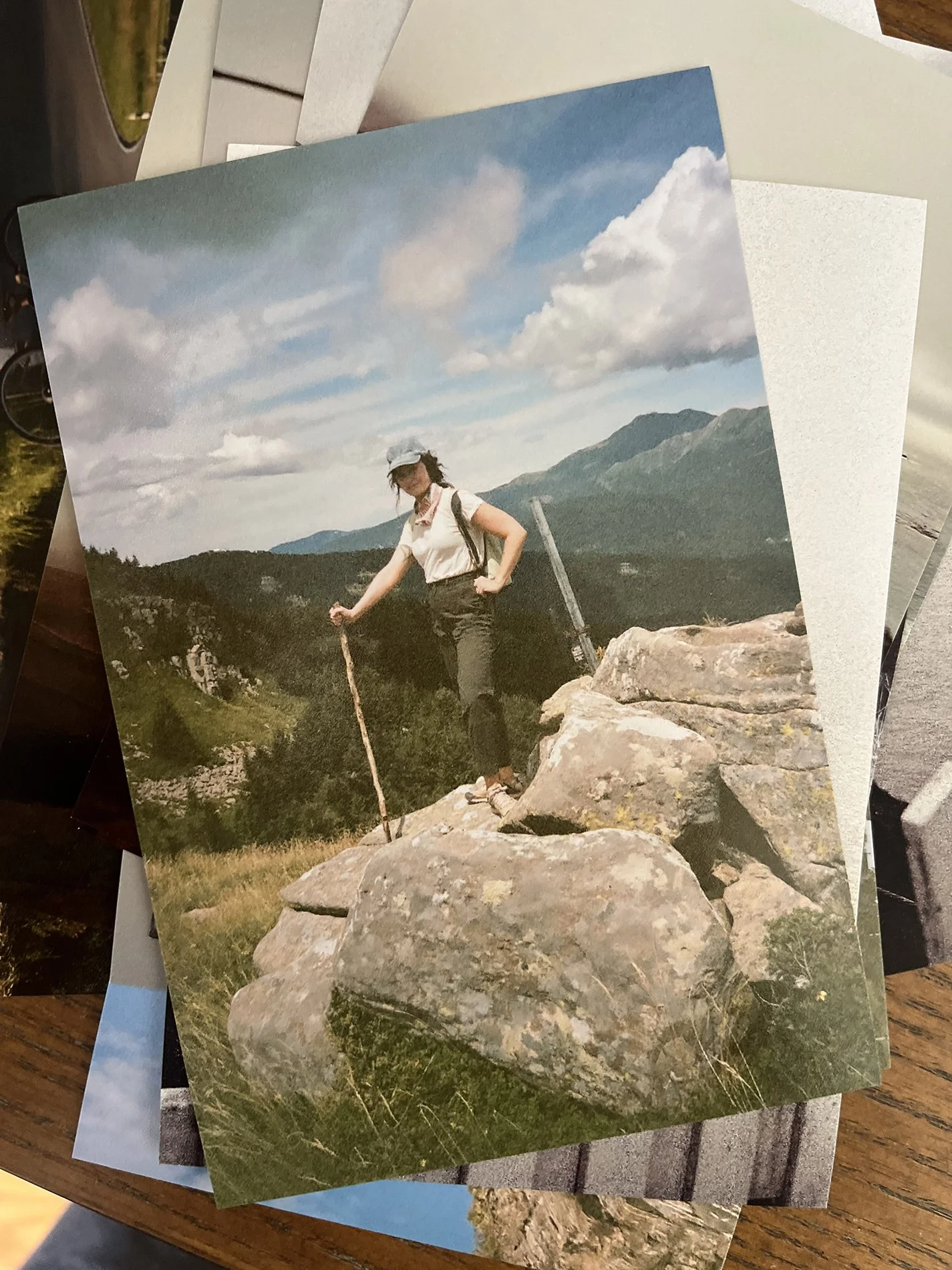
Last year when visiting back in Italy, where I am from, I finally go the chance to tramp around the Dolomites. This had long been on my list. All the favorite photos I took there were on black and white film through a pint and shoot Nikon.
Mountains in black and white feel like language translated back into silence. Ridges are sentences, clouds are commas, and the light carves out grammar. Film takes the color out of the conversation and leaves only what's essential — mass, texture, the slow argument between granite and sky.
There is a particular mercy in contrast on silver halide. Shadows become deeper and highlights bloom with a quiet insistence. The tonal range in black and white lets me read mountains as history rather than spectacle. I love anything that reminds me the old was old when we came into it.
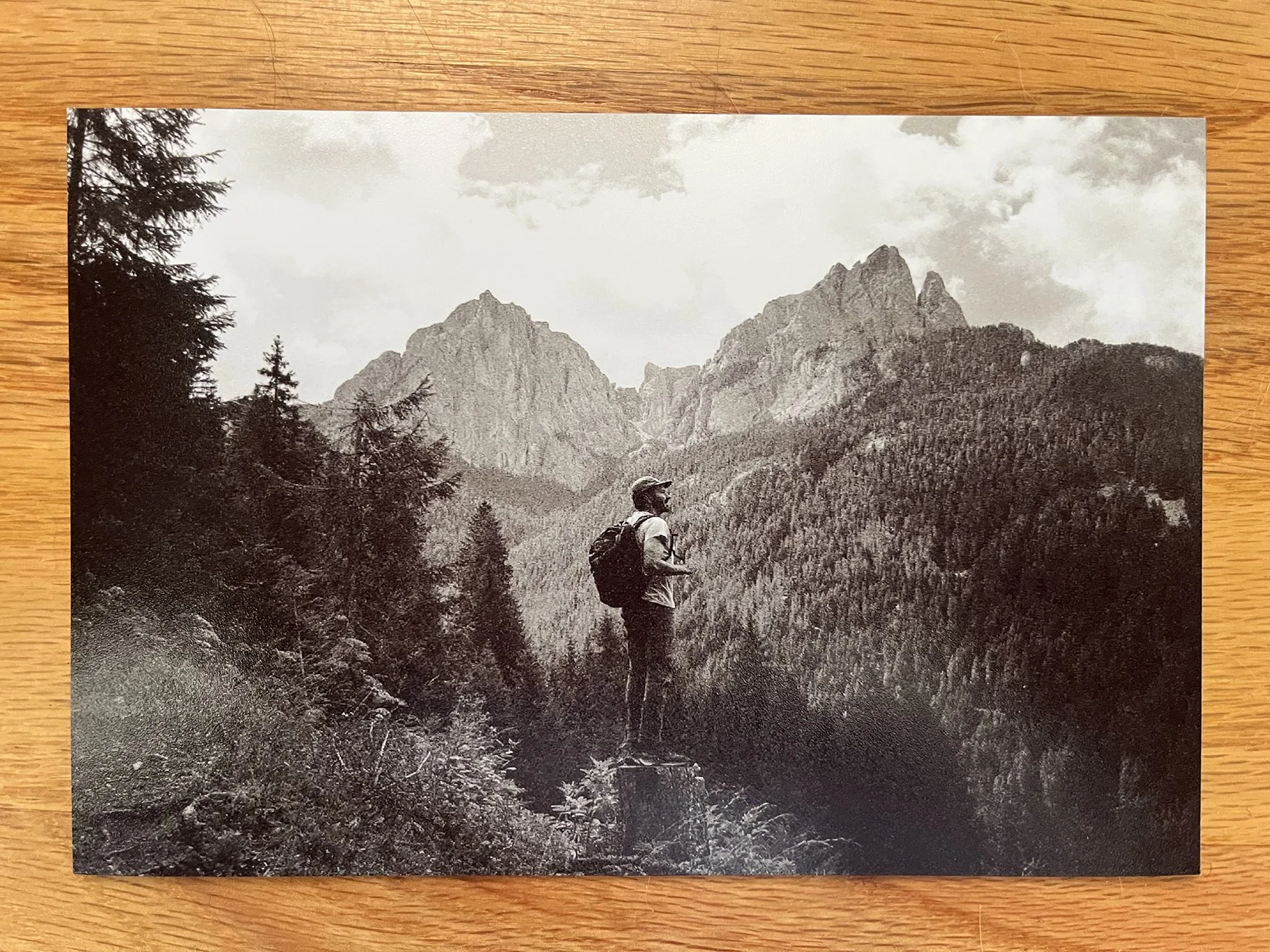
Your truly, in my element. On a long hike, taking all the time to stop and appreciate it all. I love pausing mid-hike to simply breathe the view. The world stretches slow and every contour feels newly earned. Unhurried, you trade speed for detail, and the landscape keeps its secrets long enough for you to learn one or two.
Practical Tips for Photographers Wanting to Try Travel Film
Start small. Bring one simple point-and-shoot and two rolls of film. Enough to make you deliberate but not so much that you panic over choices. The compact camera invites ease. You keep it in your pocket, take it out easily for moments that inspire, and the limitation of 24 or 36 frames teaches a kind of calm precision. You’ll notice details you’d otherwise speed past because each frame now carries a small cost and a larger promise.
With only two rolls you learn to trust your eye and the rhythm of light. You’ll shoot less impulsively and more attentively, saving frames for the light that actually moves you. When the rolls come back from the lab, the modest handful of images will feel intimate and true. A small, honest dossier of where you were and what you noticed.
Get Your Photos Printed!
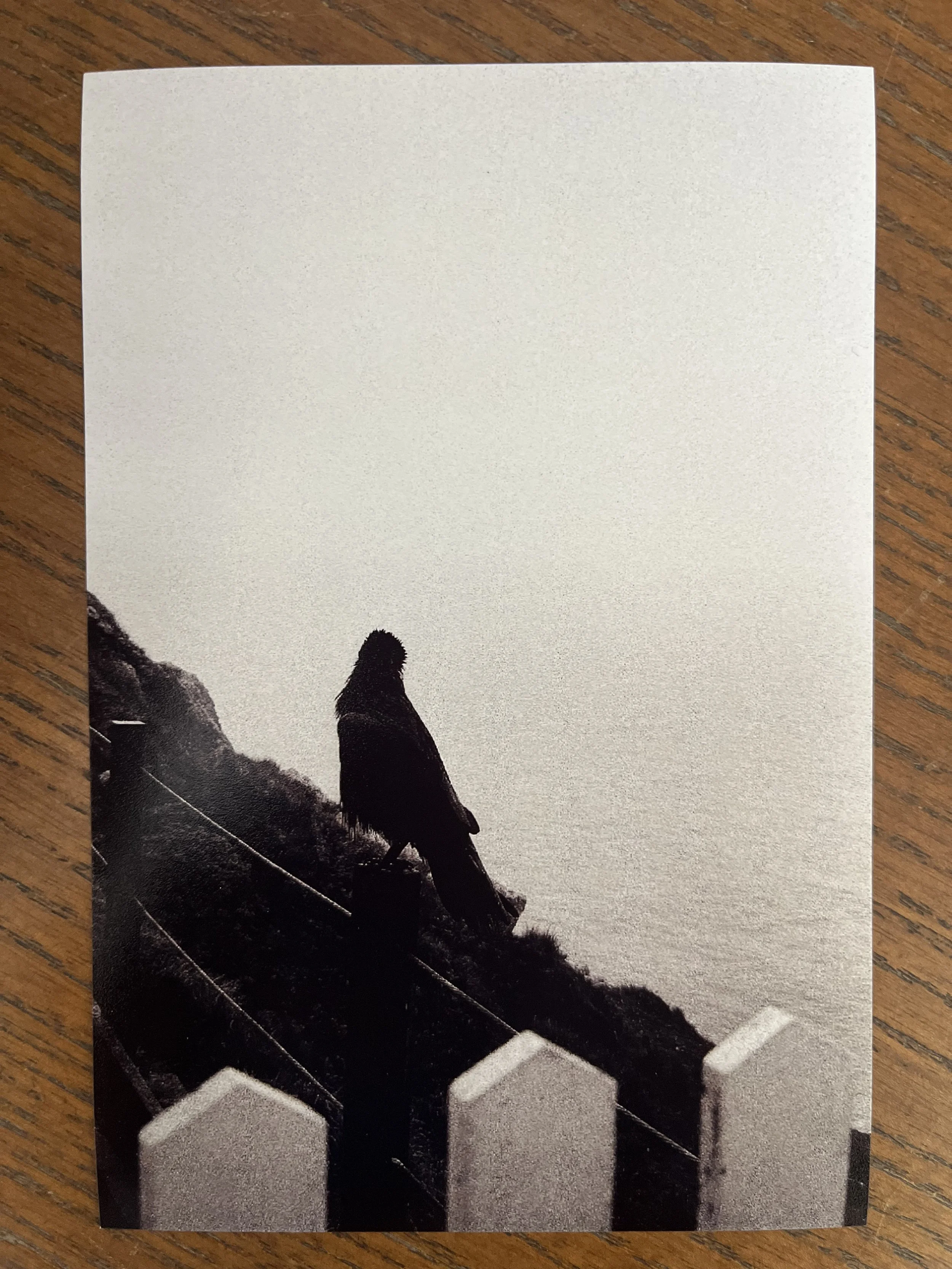
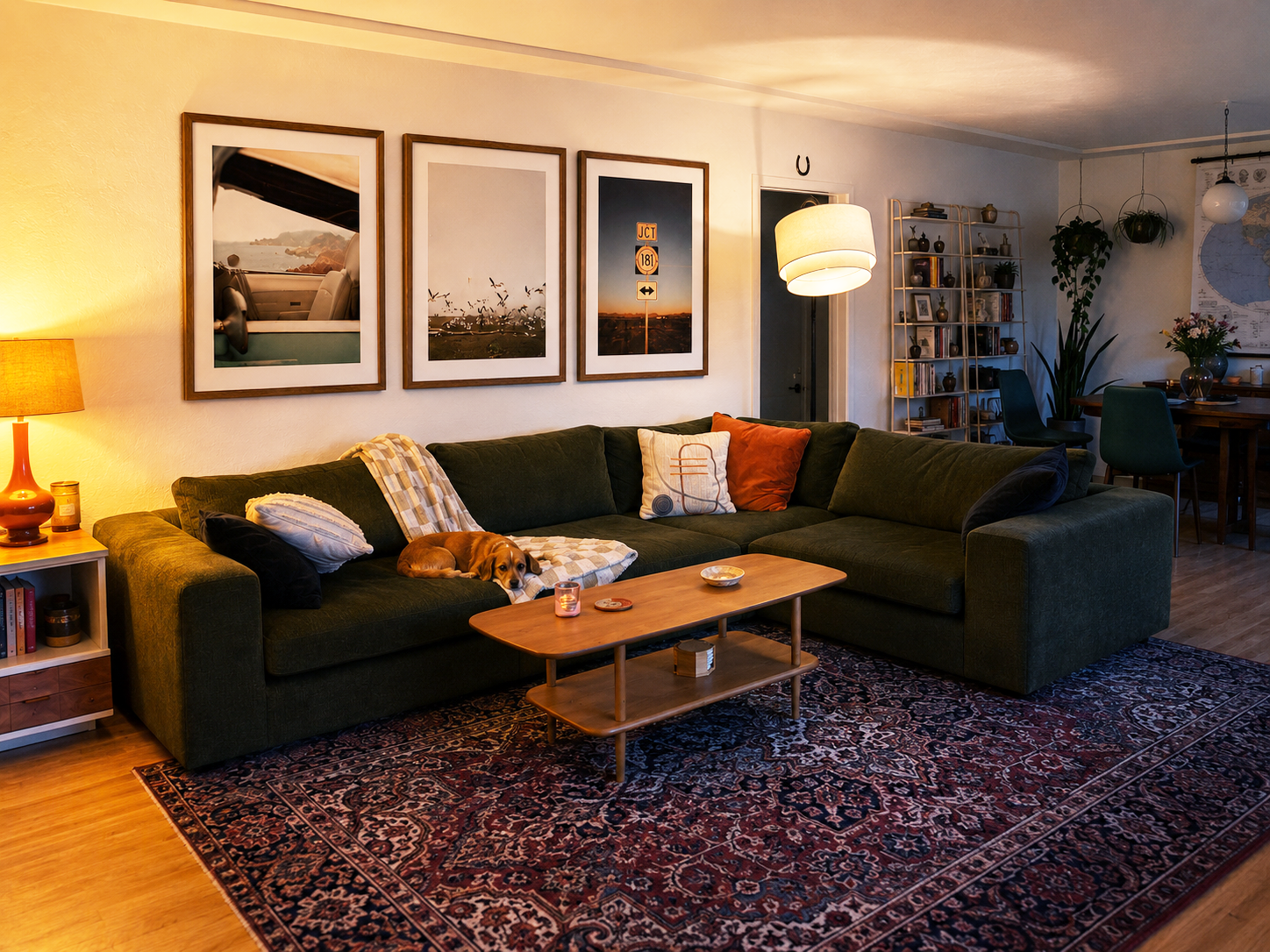
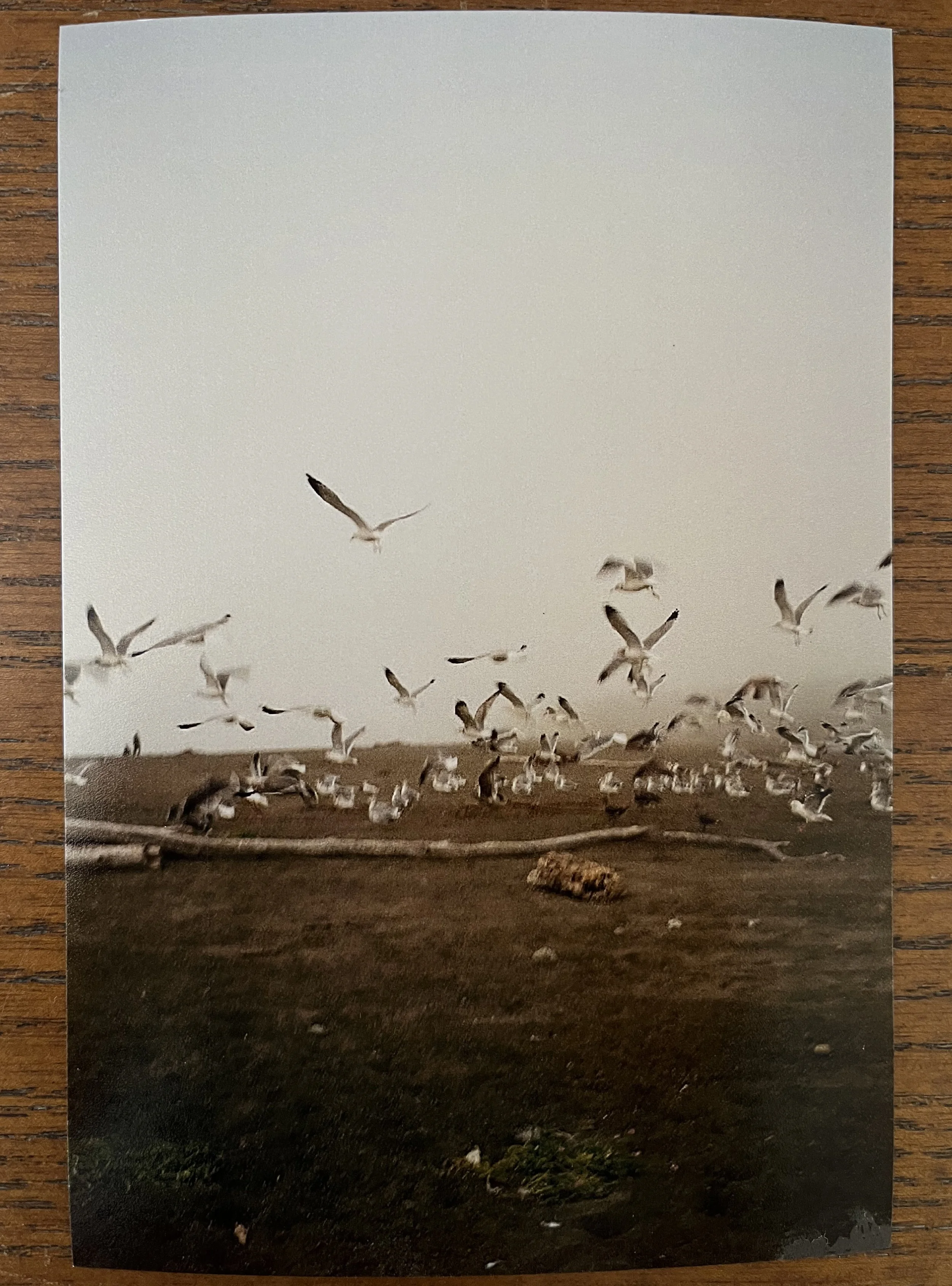
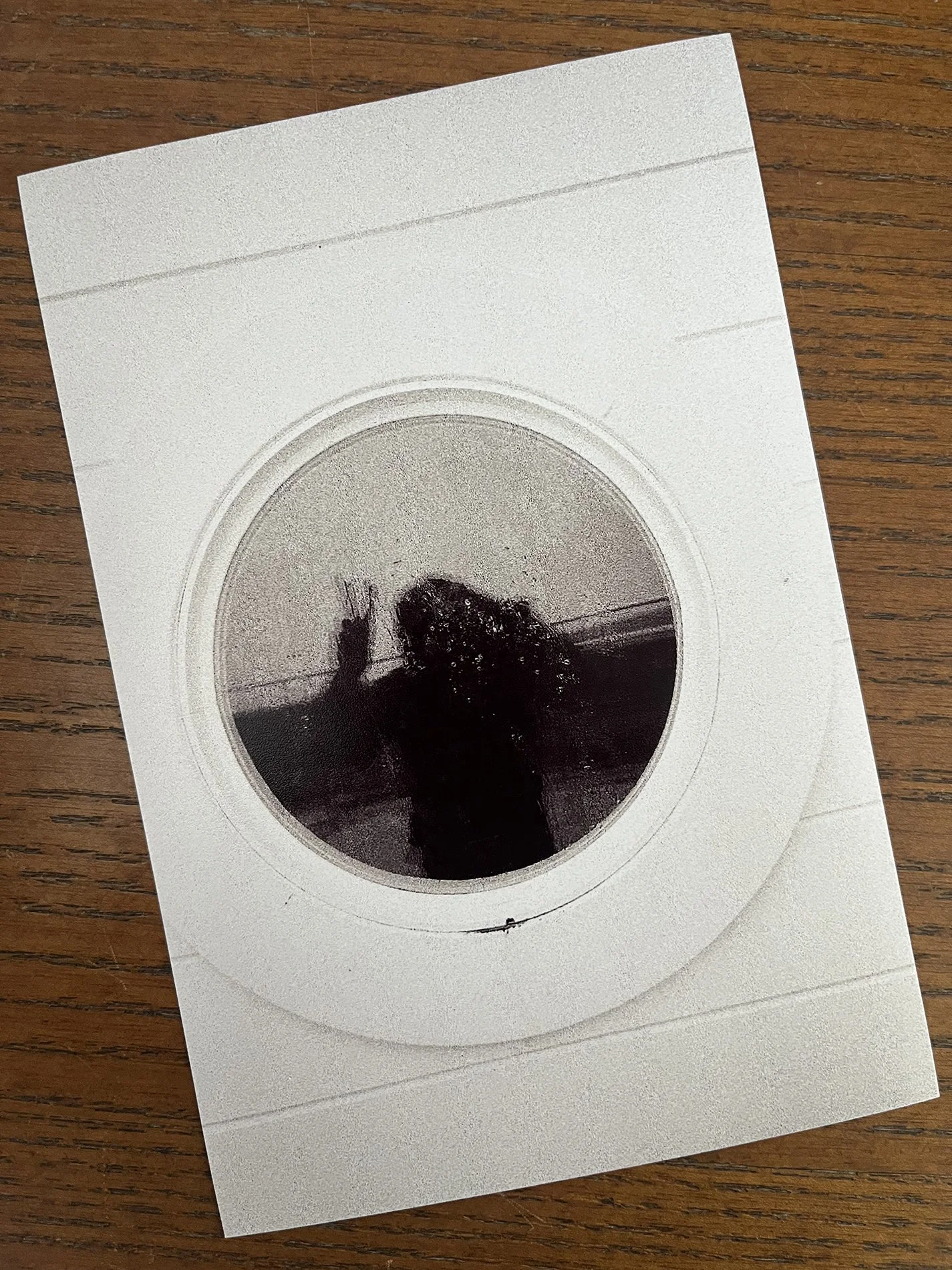
There’s a small ceremony in holding a print. The paper breathes where a screen only hums, the silver grain and ink settling into a weight on your hands. Thumbing through a stack of prints is a game of gentle surprises: an overlooked frame reveals itself, a forgotten corner of a trip returns with new meaning, and the tactile shuffle stitches images into a remembered sequence. Prints slow time down; they make the accident of a light flare or the soft blur of a passing stranger into something you can return to, again and again, with the patient pleasure of someone rereading a favorite letter.
Besides, some of those prints might look really nice tastefully framed! Check out the ones I framed and put on my living room wall :
A Few of My Favorite Travel Film Cameras
This isn’t a super extensive list of “guide”. Just some easily portable camera bodies I’ve enjoyed shooting on as of late:
Canon AE-1
Pros: Reliable, affordable, and easy to learn. Solid build, and different lenses for it are easy enough to come by where used lenses are sold.
Cons: lacks modern conveniences like auto focus. So you’ll not want to use this one for something that requires quick, candid shots. Was not great at weddings, for example!
Nikon AF600
Pros: Compact, pocketable 35mm autofocus point‑and‑shoot with a reliable snap‑to‑use workflow, useful built‑in flash, and typically good lens sharpness for everyday travel and street snapshots.
Cons: Limited exposure control and creative flexibility (no manual aperture/shutter options), basic metering that can misread tricky light, and generally plastic build with limited low‑light performance compared with SLRs or higher‑end compacts.
This is the one I shot the mountain photos in the Dolomites with!
Contax T VS III
Pros: Exceptional Zeiss optics for a compact . Sharp, pleasing contrast, and superb color rendering; solid, refined handling and premium build that makes it feel like a serious travel camera.
Cons: Limited manual control and creative flexibility compared with SLRs, modest low‑light performance due to relatively slow lens, and high used-market price (plus potential electronic/repair issues given its age). Slooooowwwww auto focus mechanism.
Closing — The Quiet Joy of a Developed Frame
Traveling by film teaches an economy of attention. You learn to wait for the quiet in the middle of the noise. You learn that the most honest photographs are the ones that arrive without ceremony. A collision of timing, patience, and mercy. When the roll is done and the car hums again beneath me, I drive on with a pocket full of moments that won’t belong to anyone until the lab tells their truth. Until then, they live between the click and the wind, small and stubborn as the road itself.